Mantis shrimp saddle-mimetic amorphous calcium (zinc) phosphate/chitin scaffolds with superior mechanical properties and bioactivity for bone regeneration
The research team led by Prof. ZHANG Xing from the Institute of Metal Research, Chinese Academy of Sciences have developed a novel bone repair scaffold that combines high mechanical strength with excellent bioactivity, offering a promising solution for large-size bone defect repair. The work draws inspiration from the saddle-like structure of mantis shrimp appendages.
Metal ion cluster materials, widely present in human bone and blood, have shown great clinical potential in bone defect repair and oral hard tissue regeneration due to their controllable biodegradability and excellent biocompatibility. However, their inherent thermodynamic metastability and spontaneous crystallization tendency have severely limited their widespread clinical application.
Researchers from Prof. ZHANG Xing’s team have now addressed this challenge. Using amorphous calcium zinc phosphate (ACZP) nanoclusters as the core assembly unit, they constructed a saddle-mimetic ACZP/chitin(CT) scaffold that achieves structural, compositional and functional biomimicry. These findings were published in Bioactive Materials (58(2026) 738-754).
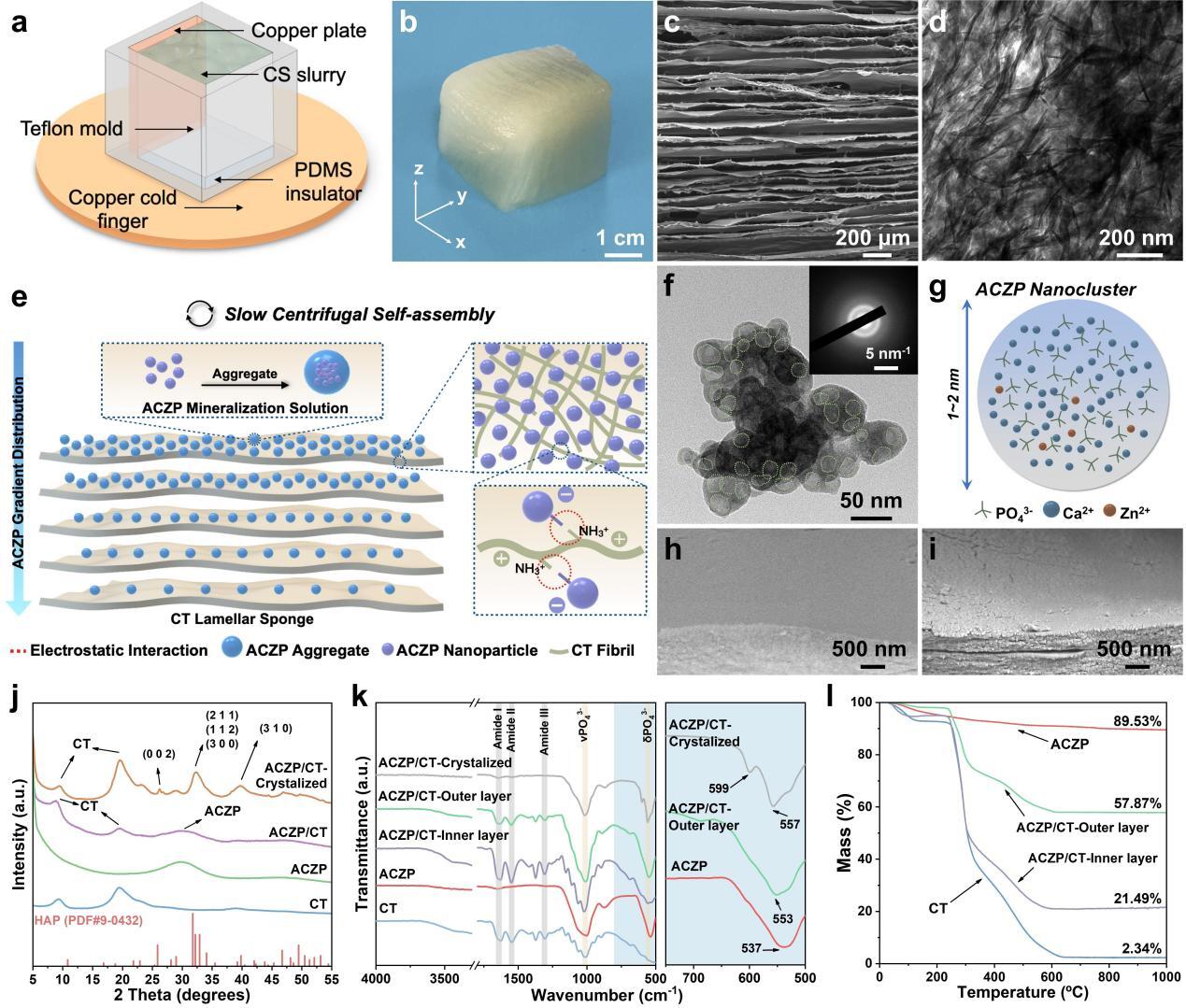
The scaffold features a highly mineralized dense outer layer combined with an organic-rich layered fibrous inner layer. ACZP nanoclusters measuring 1-2 nm further assemble into agglomerates of approximately 250 nm, and the amorphous phase structure is successfully preserved after hot pressing. Thermogravimetric analysis reveals a clear gradient mineralization feature, with mineral content of approximately 62.02% in the outer layer and 21.39% in the inner layer.
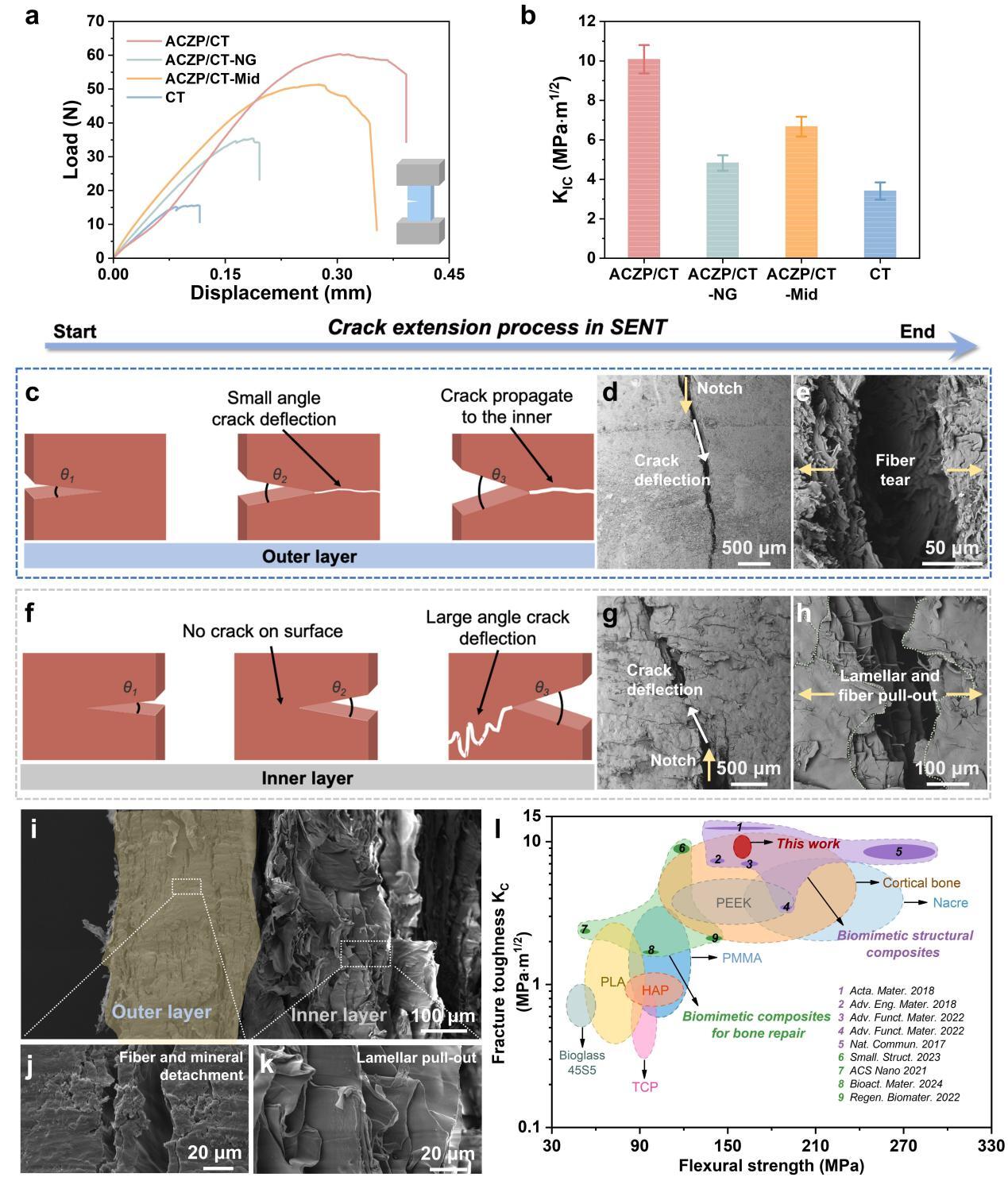
Mechanically, the ACZP/CT scaffold demonstrates outstanding load-bearing capacity with a flexural strength of approximately 160.09 MPa and a fracture toughness reaching 10.08 MPa·m¹/². This exceptional toughness arises from the synergistic interplay of multiple energy dissipation mechanisms, including complex crack propagation, fiber tearing, mineral-fiber debonding and interlaminar slippage between gradient layers.
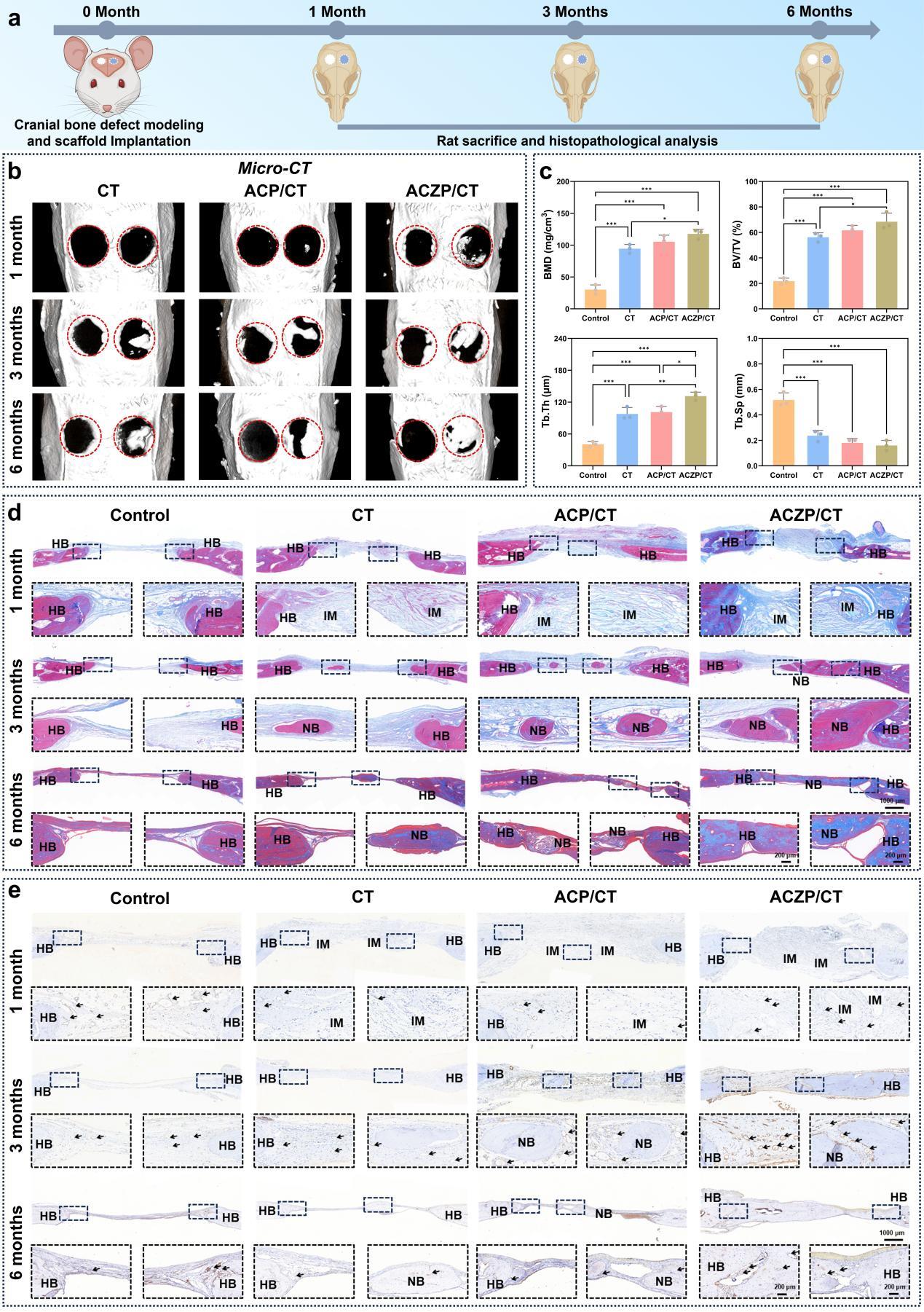
Biologically, the scaffold continuously releases Ca²⁺ and Zn²⁺ ions, synergistically activating key signaling pathways such as PI3K-Akt, MAPK and HIF-1, thereby significantly promoting osteoblast differentiation, endothelial cell vascularization and osteogenic coupling. Animal experiments further confirm the scaffold's excellent repair ability in a rat calvarial defect model, achieving a new bone volume fraction of 68.39% after six months after implantation.
This "structure–composition–function" biomimetic bone repair scaffold, based on ACZP metal ion nanoclusters as the assembly unit, holds great promise for clinical translation in large-size bone defect repair.
Natural mantis shrimp saddle structure and fabrication of biomimetic ACZP/CT scaffold. (Image by IMR)
Preparation process, phase composition and microstructure characterization of the biomimetic ACZP/CT scaffold. (Image by IMR)
Analysis of crack propagation path and toughening mechanism of the biomimetic ACZP/CT scaffold. (Image by IMR)
Evaluation of bone repair efficacy of the biomimetic ACZP/CT scaffold in a rat calvarial defect model. (Image by IMR)
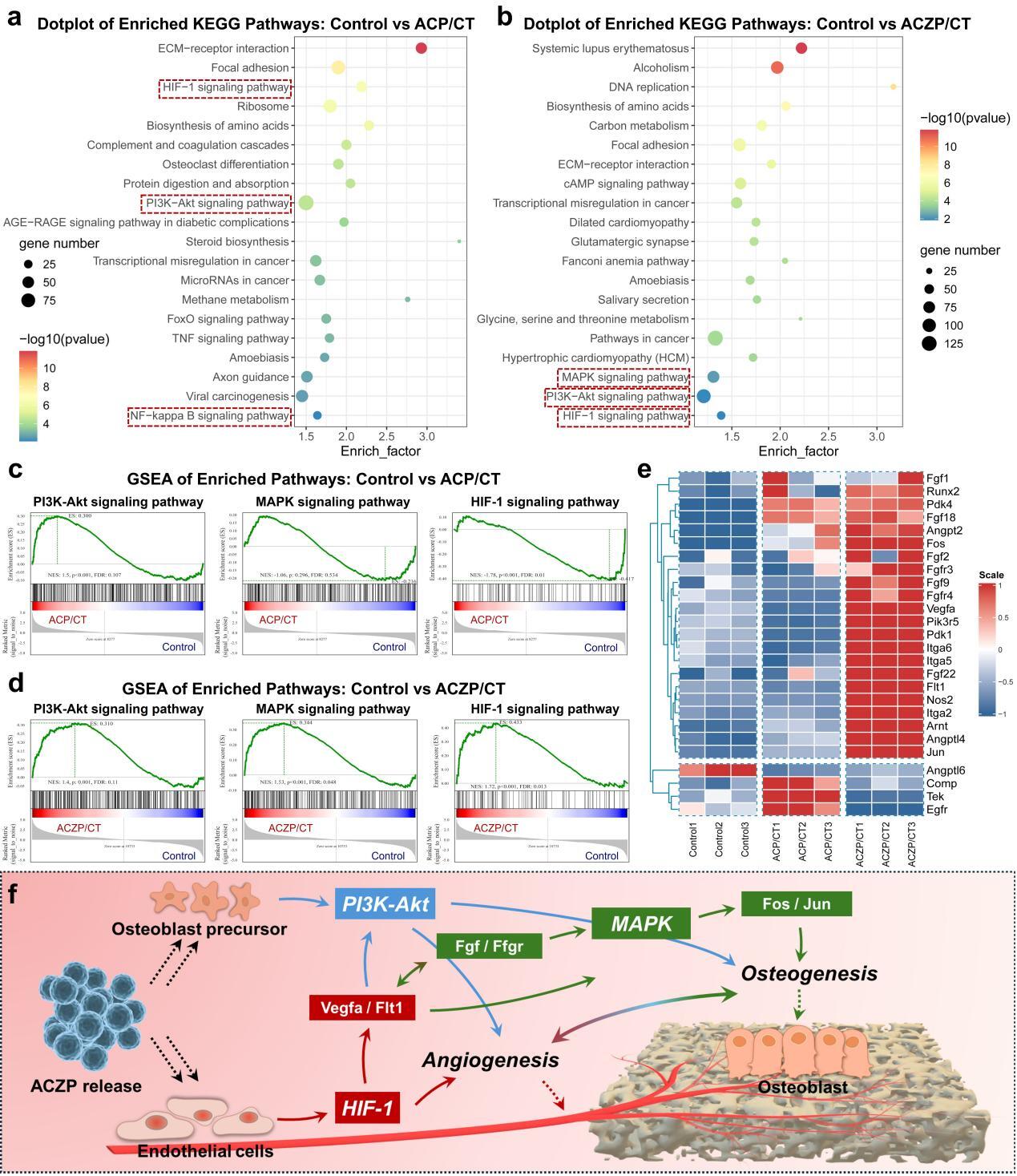
Analysis of the angiogenesis–osteogenesis coupling mechanism of the biomimetic ACZP/CT scaffold. (Image by IMR)