Next-generation lithium-ion batteries require high-voltage cathodes that combine long-term stability with ultrafast charging capability. Cobalt-free spinel-type oxides are attractive candidates because of their high operating voltage, high energy density, and low cost. However, their practical use remains limited by intrinsic chemo-electro-mechanical instabilities that become especially severe under high-voltage and fast-charging conditions.
Among these materials, spinel-type lithium-nickel-manganese oxide, LiNi0.5Mn1.5O4, or LNMO, has drawn particular attention because it operates at around 4.7 V vs. Li⁺/Li and provides three-dimensional lithium-ion diffusion channels. These advantages make LNMO a promising high-energy and fast-charging cathode. Yet when charged above 4.75 V, LNMO tends to undergo a detrimental two-phase reaction. This discontinuous phase transformation causes large lattice strain and stress concentration, which trigger particle cracking, transition metal dissolution, and interfacial degradation. These coupled failures are further aggravated during fast charging and high-temperature operation, severely restricting the cycle life of LNMO-based batteries.
To tackle this challenge, a research team led by Prof. LI Feng and Prof. WANG Chunyang from the Institute of Metal Research, Chinese Academy of Sciences, developed a new strategy to optimize the cathode material via tailoring its bulk chemistry. The team proposed a compositionally complex bulk-doping approach to modulate the reaction thermodynamics of LNMO, thereby extending the solid-solution reaction regime to higher states of charge and delaying the onset of the harmful two-phase reaction. The findings were published in the Journal of theAmerican Chemical Society.
In situ X-ray diffraction showed that the doped material maintains a continuous solid solution reaction behavior even at high voltages, with substantially reduced lattice contraction. As a result, the tailored cathode material achieved an 81.8% capacity retention after 4,000 cycles at a high rate of 10 C. Prototype pouch cells using the doped material also demonstrated stable cycling performance, validating its practical application potential.
Detailed electron microscopy and interfacial spectroscopy revealed that the compositionally complex doping strategy effectively suppresses intragranular cracking, harmful rock salt phase transformation and electrode–electrolyte side reactions. The doped material also formed a thin and uniform cathode–electrolyte interphase (CEI), which reduces interfacial impedance and decreases transition metal dissolution by more than 50% compared to undoped LNMO.
This work, by first demonstrating that compositionally complex doping can effectively modulate the phase-transformation thermodynamics and enhance the chemo-electro-mechanical stability of spinel cathodes, opens a new door for the design of durable fast-charging cathode materials for lithium-ion batteries.
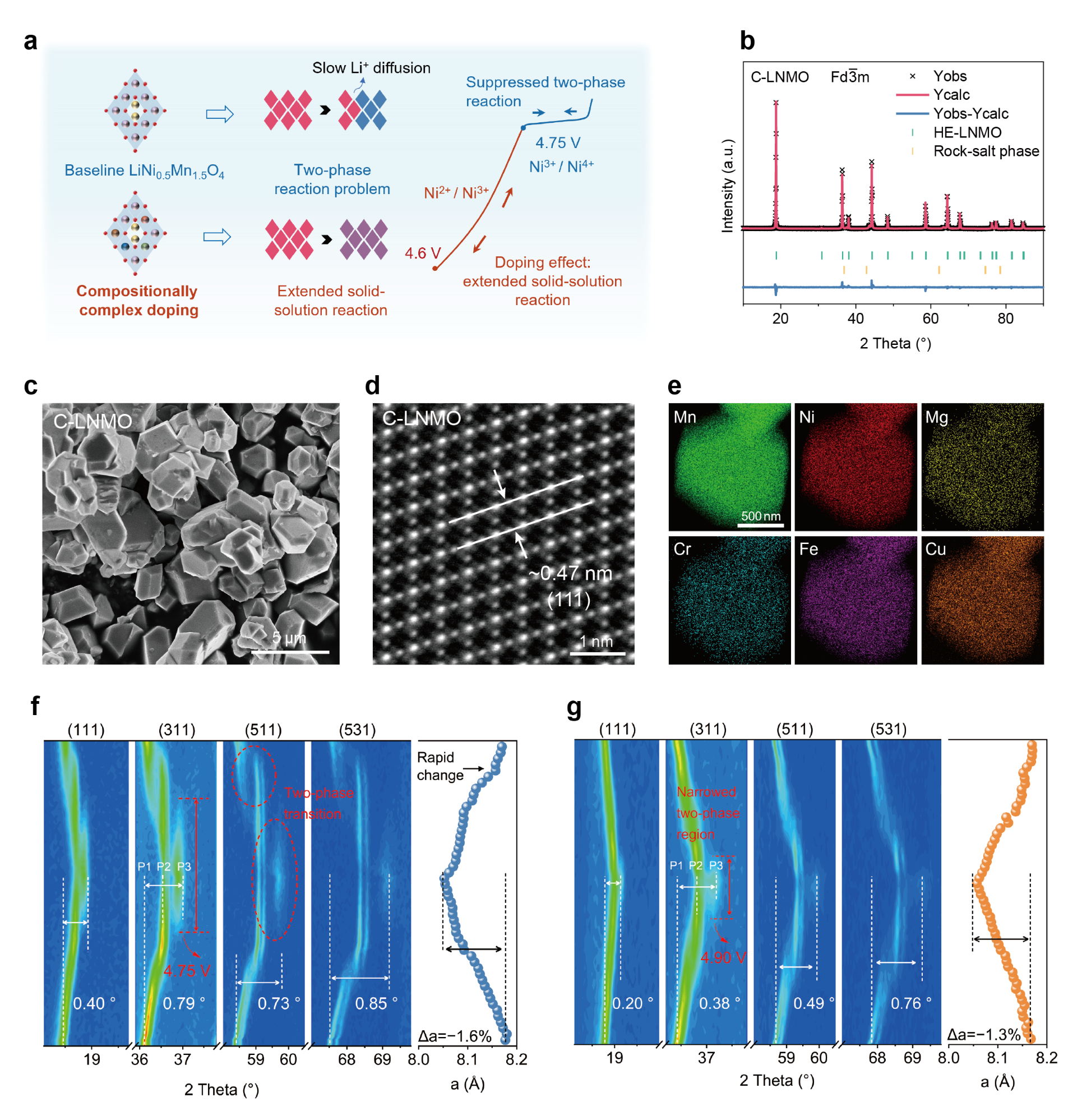
Figure 1. Multi-element doping strategy for modulating phase transformation pathways and structural characterization of the material. (Image by IMR)
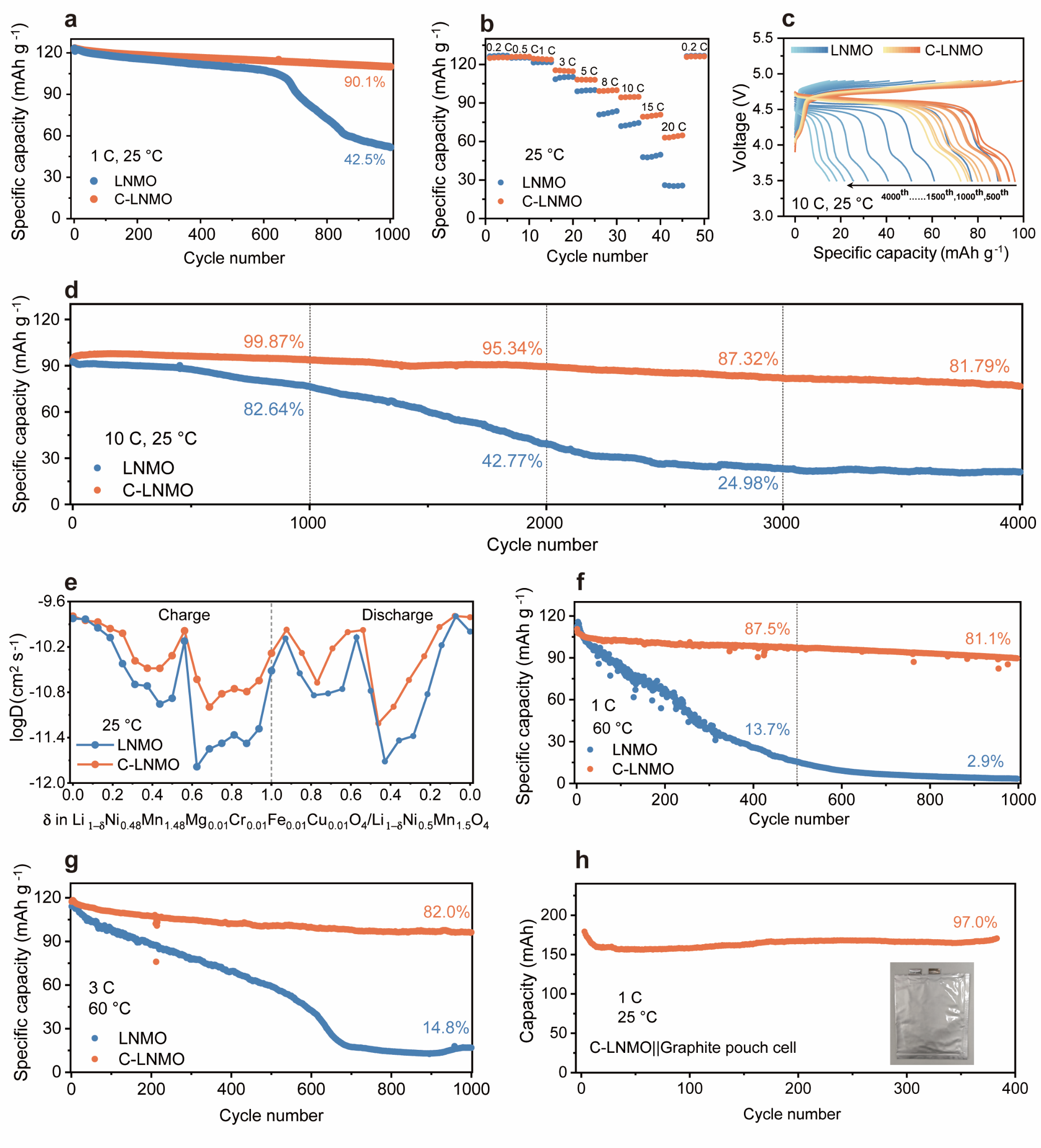
Figure 2. Comprehensive electrochemical evaluation of the compositionally complex doping strategy. (Image by IMR)

Figure 3. Structural characterization of the material after long-term cycling. (Image by IMR)